The Ultimate Jamaican Food Bucket List
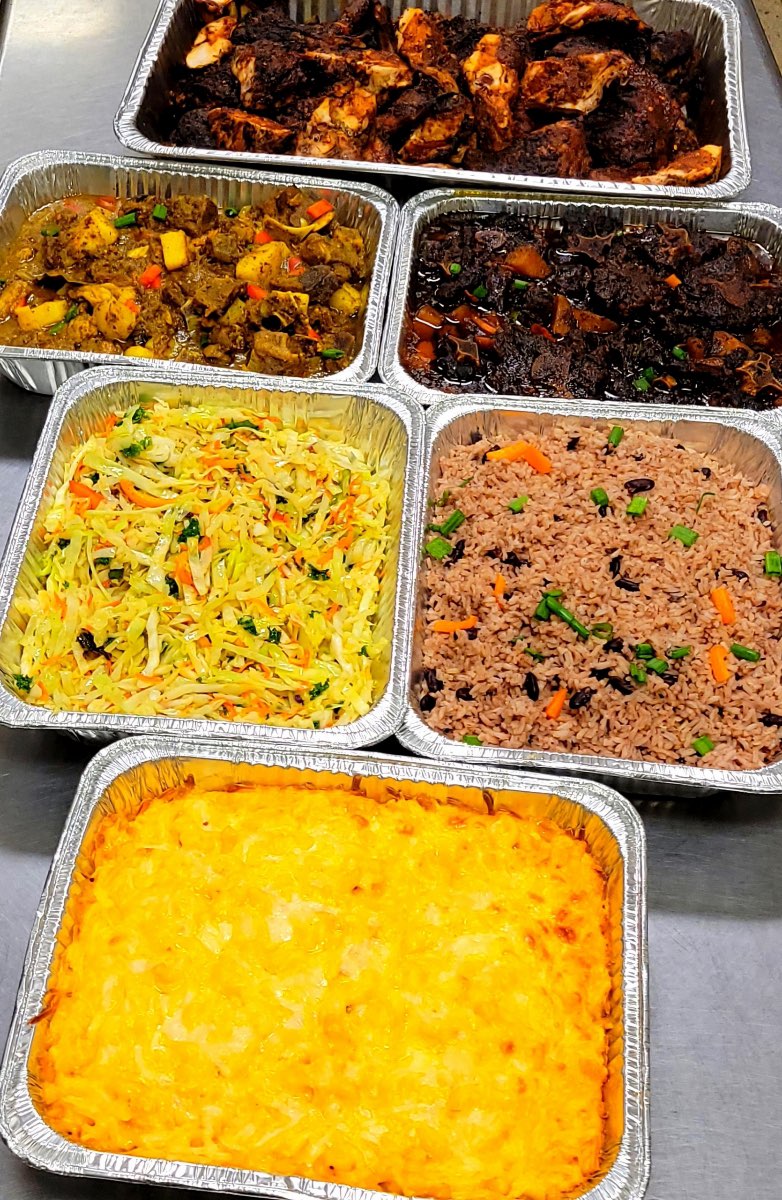
Jamaican food earns devotion quickly. One good plate can do it, especially if it arrives hot, wrapped in foil or spooned onto a humble enamel plate, carrying the smell of pimento, thyme, scallion, Scotch bonnet, and smoke. The cuisine is bold, but it is not blunt. It balances fire with sweetness, starch with spice, deep browning with freshness. It reflects African, Indigenous, Indian, Chinese, British, and Spanish influences, yet it feels unmistakably Jamaican at every turn.
What makes this food so memorable is not just flavor. It is context. A flaky patty eaten on the move tastes different from one served in a bakery case abroad. Jerk from a roadside drum has a texture and perfume that a standard restaurant grill rarely captures. A Saturday soup or a Sunday rice and peas plate is tied to habit, family, and timing. If you want a real bucket list for jamaican food, it helps to know not only what to try, but how and when to try it.
This is the kind of list I would give to a serious eater planning a first trip, or to anyone trying to understand the cuisine beyond the greatest hits. Some dishes are globally famous. Others are the ones regulars quietly look for first.
Start with the national dish, but order it at the right hour
Ackee and saltfish is the obvious place to begin, and for good reason. It is Jamaica’s national dish, and when done properly, it is one of the most distinctive breakfasts anywhere in the Caribbean. Ackee, the buttery yellow fruit that looks a little like soft scrambled egg when cooked, has a delicate richness that surprises people expecting something sweet. Saltfish brings salt, chew, and depth. Then come the supporting players: onion, tomato, scallion, thyme, black pepper, and often a bit of Scotch bonnet for lift rather than brute force.
The first mistake many visitors make is treating ackee and saltfish like an all-day default. You can find it beyond breakfast in some places, but it shines in the morning, alongside fried dumpling, roasted breadfruit, boiled green banana, yam, or festivals. The full plate matters. The starches are not filler. They round out the salt and richness, and each one changes the experience. Fried dumpling adds crispness and heft. Breadfruit is earthy and dry in a pleasing way, almost like a more aromatic potato crossed with fresh bread. Green banana is firm, slightly tannic, and satisfying.
Good ackee should be tender and separate, not mushy. Good saltfish should season the dish without making it aggressively salty. If the pan leans greasy or the tomatoes dissolve into a wet stew, the balance is off. At its best, the dish feels bright, savory, and composed.
Jerk deserves your patience
If there is one branch of jamaican food that has been both celebrated and flattened by global popularity, it is jerk. Proper jerk is a method and a flavor system, not just a spicy marinade. Traditional jerk cooking relies on pimento wood smoke, a heavily seasoned rub or wet paste, and slow heat. The result is not simply hot. It is smoky, aromatic, deeply spiced, and often a little sweet around the edges where the exterior caramelizes.
Jerk chicken is the gateway order, and it belongs on any bucket list. The best versions have charred edges, juicy meat, and skin that carries the seasoning all the way through. You should taste thyme, allspice, scallion, garlic, ginger, black pepper, and Scotch bonnet in conversation, not as separate notes. The heat can vary wildly. Some places make a fairly approachable jerk. Others can make your eyes water before the second bite. Ask before adding extra pepper sauce. I have seen confident eaters ruin a great plate by turning it into a dare.
Jerk pork is even better when you can find an excellent one. Pork takes smoke beautifully, and the fat keeps the meat lush while the exterior develops dark, almost candied edges. At a good jerk center, those irregular bits from around the bone or the corners of the chop are often the most flavorful pieces on the property.
Then there is jerk pan chicken, jerk sausage, jerk fish, and occasionally jerk rabbit or conch in more specialized settings. These can be very good, but if you are building your first bucket list, start with chicken and pork from a place known for live-fire cooking rather than a generic menu add-on.
The ideal order often includes hard dough bread, festival, bammy, or roast breadfruit on the side. Festival, lightly sweet and fried, is especially smart with very spicy jerk because it cools the palate without muting the smoke. Bammy, a cassava flatbread with ancient roots, brings a chewy, gentle neutrality that lets the meat dominate.
Patties are not a snack you rush through thoughtlessly
The Jamaican patty is one of the great handheld foods. It can be cheap, quick, and still deeply satisfying. The pastry should be flaky and lightly stained yellow from turmeric or curry. The filling should be seasoned assertively enough to stand up to the crust, whether it is beef, chicken, vegetable, lobster, soy, or another variation. The classic spicy beef patty remains the benchmark because it shows whether a bakery understands restraint. The filling needs warmth, savoriness, and a bit of heat, but not greasiness or paste-like texture.
A proper patty can be eaten on its own, though locals often take it further with coco bread. Sliding a hot patty into a pillowy piece of coco bread turns a quick bite into an actual meal. It also changes the ratio in a useful way. That soft, https://ameblo.jp/lanedyad838/entry-12982483492.html slightly sweet bread catches the juices and softens the spice. If you only have time for one bakery stop, this is the move.
Do not dismiss cheese patties or curried chicken patties, either. They can be excellent. But for a bucket list meant to capture the essentials of jamaican food, the spicy beef patty in coco bread is the classic to beat.
Rice and peas is not optional
A lot of visitors think of rice and peas as a side, something interchangeable with plain rice. It is not. In Jamaica, rice and peas usually means rice cooked with kidney beans or gungo peas, plus coconut milk, thyme, scallion, and other seasonings. It is fragrant, savory, and complete enough to anchor the entire plate. On Sundays, especially, it becomes part of a larger ritual meal.
When you order stewed chicken, curried goat, brown stew fish, oxtail, or fried fish, rice and peas often tells you how much care the kitchen is putting into fundamentals. If it is bland or wet, expectations should drop. If it is fluffy, aromatic, and seasoned through the grain, you are probably in good hands.
Pairing matters. Oxtail with rice and peas is one of the great combinations in Caribbean cooking because the rich gravy sinks into the rice without overwhelming it. Curried goat with rice and peas is another standout, especially with a spoonful of gravy and a little side salad for acidity. Even fried chicken, in a Jamaican context, lands differently when set against good rice and peas and a scoop of stewed cabbage.
The stewed and curried dishes tell you how a kitchen really cooks
Jerk gets the headlines. The stewed and curried dishes reveal the depth of the cuisine.
Brown stew chicken is essential. The chicken is usually seasoned, browned, then simmered with onions, peppers, herbs, and a dark, savory sauce. Good brown stew carries sweetness from browning and vegetables, but it should never tip into a sugary profile. The gravy should cling to the meat, not pool around it like soup. A wedge of fresh tomato and cucumber on the side may look simple, yet that cool crispness cuts the sauce perfectly.
Curried goat is another must. Jamaican curry has its own style, related to Indian influences but adapted through local ingredients and technique. The curry powder tends to be assertive, earthy, and warm rather than delicate. Goat, when cooked patiently, becomes tender without falling apart into threads. The sauce should be thick enough to coat the spoon and deeply infused with garlic, thyme, Scotch bonnet, and sometimes potato. If the goat is bony, that is normal. Some of the best flavor sits near the bone. Eat slowly.
Oxtail deserves its reputation, though it is often expensive now and not always available in the evening if a place sells out. The best versions are braised until the meat turns silky and the gelatin enriches the gravy. Broad beans often appear in the sauce, and they belong there. This is not a light dish. It is luxurious, sticky, and intensely savory, the kind of plate that can silence a table for a few minutes.
Escovitch fish belongs on the list as well, particularly if you enjoy contrast. A whole fried fish, often snapper, is topped with a sharp tangle of pickled vegetables, usually carrot, onion, and Scotch bonnet. The fish itself should have crisp skin and moist flesh. The escovitch topping should wake up the entire plate. Bammy or festival on the side makes sense here, helping absorb the vinegar and pepper.
Soup in Jamaica is a serious event
In many households and cookshops, soup is not a thin starter. It is a meal, often weekend-specific, restorative, and deeply rooted in rhythm. Saturday soup in Jamaica has near-ceremonial status in some places, and if you are building a bucket list, it deserves real attention.
Manish water, made from goat parts and seasoned with herbs and spice, has a reputation that extends beyond its flavor. You will hear jokes and bold claims about its restorative powers. Leave those aside and focus on the bowl in front of you. A good manish water is peppery, aromatic, and rich without being heavy. It is not for squeamish eaters, but it rewards curiosity.
Red peas soup is more broadly approachable and one of the finest soups in the region. It usually combines kidney beans, salted meat or beef, ground provisions like yam and potato, coconut milk, and spinners, the little flour dumplings that make the bowl feel complete. The texture should be thick and substantial, but not pasty. Coconut milk should round the edges, not dominate.
Fish tea is another classic, despite the name being confusing to first-timers. It is a clear fish broth, often sharpened with pepper and herbs, and it can be astonishingly refreshing. Done well, it tastes clean, bracing, and deeply marine. It is one of the best examples of how Jamaican cooking can be bold without always being heavy.
Ground provisions and sides are part of the story, not background noise
One of the best things about jamaican food is the respect given to starches and provisions. Breadfruit, yam, cassava, green banana, and sweet potato are treated as meaningful components, each with its own texture and role. This is where less experienced diners sometimes shortchange themselves. They focus so hard on the protein that they miss the architecture of the meal.
Bammy is worth seeking out in particular. Made from cassava, usually soaked and then pan-fried or steamed after an initial bake, it has a subtle sourness and springy bite. With fried fish, it is hard to beat. Roast breadfruit, when smoky at the edges and soft inside, can be revelatory. Festival is the crowd-pleaser, golden and lightly sweet, but do not let it overshadow the quieter brilliance of boiled yam with butter or the simple satisfaction of green banana next to salty fish.
Callaloo deserves mention too. Depending on the preparation, it can be sautéed, steamed, or folded into breakfast plates. It is leafy, mineral, and slightly grassy in the best way. In a cuisine known for power and intensity, callaloo is a reminder that freshness matters just as much.
Breakfast and street food can outshine formal dining
Some of the most memorable jamaican food happens before noon or from small counters with limited menus. Porridge is a perfect example. Cornmeal porridge, peanut porridge, or plantain porridge may not get the same tourist attention as jerk, but they are foundational comfort foods. A bowl of well-made cornmeal porridge should be smooth, warmly spiced with cinnamon and nutmeg, and just sweet enough. Peanut porridge, when balanced, has a creamy nuttiness that stays with you for hours.
Then there is liver, mackerel rundown, and salt mackerel served with dumplings or ground provisions. Rundown, especially with mackerel in a seasoned coconut base, is one of those dishes that shows the thrift and intelligence of island cooking. A few ingredients become something savory, rich, and oddly elegant.
If you see roast yam and saltfish sold roadside in the morning, stop. It is simple and deeply satisfying, the kind of breakfast that tells you far more about local habits than any resort buffet.
Sweets, baked goods, and desserts are worth saving room for
Jamaican desserts do not always arrive with ceremony, but they leave a lasting impression. Gizzada, with its pinched tart shell and sweet coconut filling, is one of the best small pastries in the Caribbean. Grater cake, made from coconut and sugar, can be pink, white, or both, and delivers old-fashioned sweetness with real texture. Toto, the dense coconut cake, is excellent with coffee or tea and travels well.
Rum cake or black cake is the celebratory heavyweight. Dense, dark, and soaked with deep fruit flavor, it is especially associated with holidays, weddings, and major gatherings. A good slice tastes matured rather than merely sweet. You will also find sweet potato pudding, often praised with near-religious enthusiasm by Jamaicans who grew up on it. It is dense, spiced, and comforting, more substantial than many puddings outsiders imagine from the name.
One practical note: some sweets are made for keeping, not immediate refinement. That is part of their charm. They are the kind of things wrapped in paper, taken home, shared later, and remembered.
Drinks that belong beside the food
The drinks around Jamaican meals deserve their own small category because they are often tightly paired with time of day and occasion. Sorrel, especially around Christmas, is tart, spiced, and vivid. Ginger beer can range from refreshingly fiery to almost sinus-clearing. Irish moss has a texture some people need a moment to understand, but when made well it is creamy, subtly spiced, and more appealing than its appearance suggests. Ting with a squeeze of lime, especially alongside spicy jerk, is hard to improve upon.
For coffee, Blue Mountain gets the fame, and the best cups are indeed beautifully balanced, though not every place advertising it serves top-tier beans. Drink it black first if you can. For something stronger, a splash of overproof rum in the right company can turn a meal into an evening, but pace matters. Jamaican hospitality can be generous, and the proof level is not theoretical.
If you can only prioritize a few dishes
If you are short on time and want the most representative cross-section, focus on these five:
- Ackee and saltfish with at least one traditional starch, ideally fried dumpling or breadfruit.
- Jerk chicken or jerk pork from a true jerk center with smoke, not just a grill pan.
- A spicy beef patty in coco bread from a busy bakery.
- Curried goat or oxtail with rice and peas from a trusted lunch spot.
- Escovitch fish with bammy, preferably near the coast.
That short list gives you breakfast, street food, smoke cooking, braising, curry, seafood, and the starches that hold the cuisine together.
How to eat well, not just expensively
The smartest approach to jamaican food is to spread your eating across settings. A bakery, a roadside jerk stand, a neighborhood cookshop, a seafood place, and one polished restaurant will teach you more than five upscale dinners. Volume of customers matters. Dishes like soup, oxtail, and curried goat benefit from turnover. A busy pot is often a better sign than a fancy menu.
There are also timing realities worth respecting:
- Breakfast dishes are best in the morning, especially ackee and saltfish.
- Soup is often strongest on weekends, particularly Saturdays.
- Popular braised dishes can sell out by late afternoon.
- Jerk spots often peak in the evening, when the smoke and energy are part of the experience.
- Fresh fish is best ordered where supply moves quickly and staff can tell you what came in that day.
One final bit of judgment from experience: do not chase only heat. Scotch bonnet is central to Jamaican cooking, but the point is not punishment. The best meals show control. They use pepper to lift sweetness, sharpen richness, and wake up starches. When every bite tastes only of capsaicin, something important has been lost.
A true Jamaican food bucket list is not just a record of famous dishes checked off in haste. It is a way of noticing how smoke, coconut, thyme, salt, pickling, frying, and slow simmering all work together across different parts of the day. Eat breakfast seriously. Respect the sides. Save room for soup and pastry. Follow the busiest line when the smell is right. If you do that, the cuisine opens up quickly, and it keeps rewarding you long after the obvious plates are done.
Reggae Pot Jamaican Grill
7562 S University Blvd C, Centennial, CO 80122
(303) 997-5623
FAQ About jamaican food
What is the best Jamaican food to try in Centennial?
The best choice depends on your preferences. Reggae Pot Jamaican Grill offers jerk chicken, curry goat, oxtail, and escovitch snapper, along with sides such as rice and peas and fried plantains. Ask the restaurant about current availability and spice levels before ordering.
Is Jamaican food very spicy in Centennial?
Heat varies by dish and preparation. Jerk dishes can be hot, while some stews and sides are milder. Tell the restaurant your preferred heat level and ask which options suit you.
What is typically on a Jamaican menu?
Common choices include jerk chicken, curries, oxtail, fish, patties, rice and peas, and plantains. Reggae Pot also lists ackee and saltfish and vegetable dishes. Menus and availability can change, so confirm your choices when ordering.